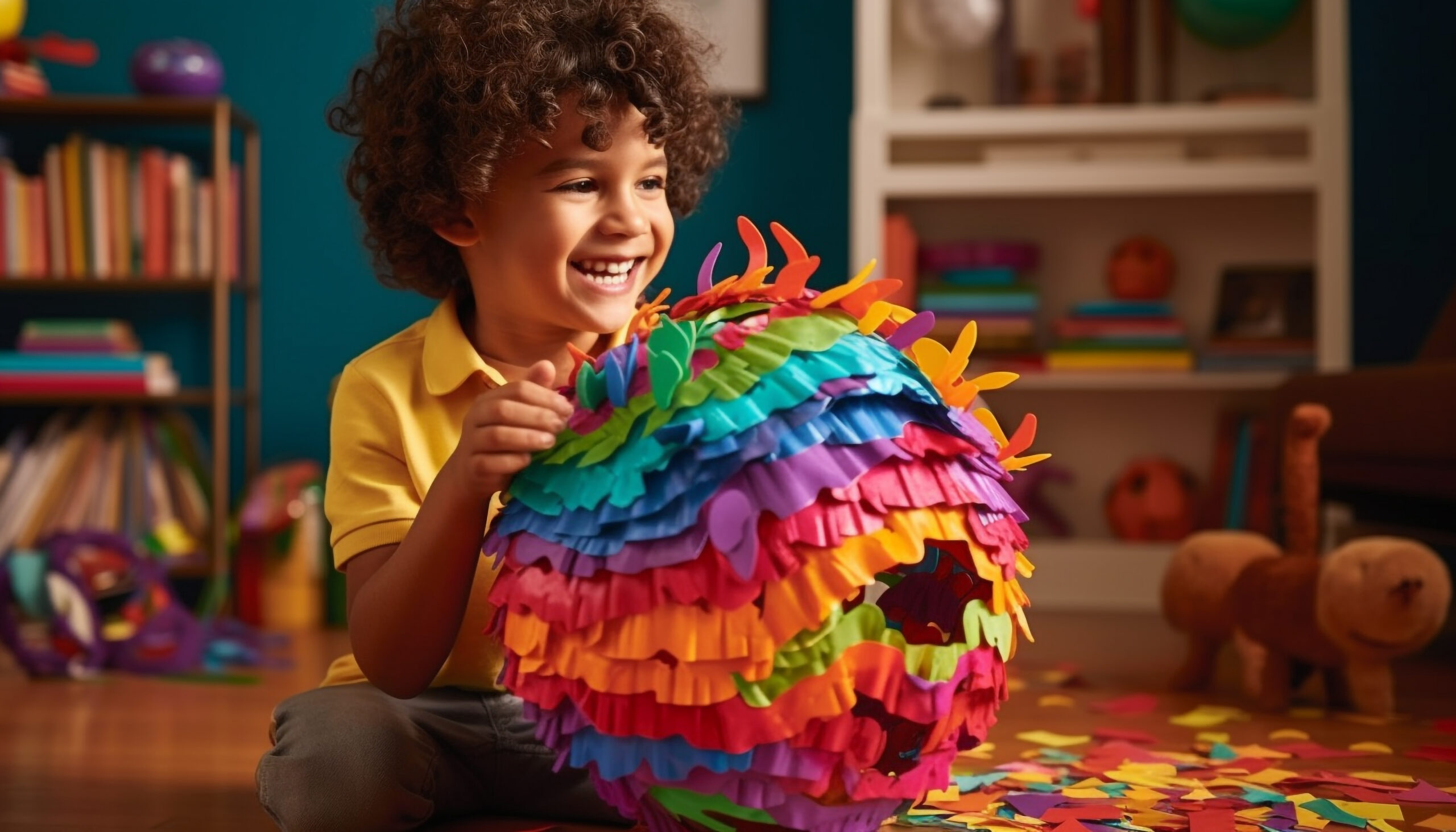
Children have a special way of turning the ordinary into something magical. A stick becomes a sword, a box becomes a spaceship, and a blanket turns into a castle. This kind of play is called imaginative play, where children use their imagination to create their own stories and worlds. It may look like simple fun, but it’s actually a powerful part of early childhood growth.
Let’s explore some of the important ways imaginative play helps children learn and grow:
It Builds Problem-Solving Skills
When children make up their games, they have to figure things out independently. They might pretend they’re on a rescue mission or running a pretend shop. They decide who does what, how things work, and what happens next. All of this helps their minds become more flexible and creative.
It Improves Communication
During imaginative play, children talk a lot. They create conversations between characters, explain their ideas, and sometimes work with others to tell a story together. This helps build language skills in a natural way. Even children who are usually shy often open up while playing make-believe.
It Encourages Emotional Growth
Through pretend play, children explore feelings in a safe way. If they act out a scene where a teddy bear is feeling sad, they learn how to show care and understanding. They also practice handling different emotions by acting them out through characters and stories.
It Strengthens Social Skills
When children play with others, they learn how to take turns, share ideas, and solve small problems together. They learn to listen, wait, and sometimes even compromise. These important skills help them in school, friendships, and later in life.
It Supports Independence and Confidence
When a child leads their own play, they learn to make choices and trust their ideas. Whether they’re pretending to be a doctor, a chef, or a superhero, they’re practicing real-life roles in a safe and fun way. This builds confidence and helps them understand the world around them.
It Keeps Their Mind and Body Active
Imaginative play often includes movement. Running around as pirates, crawling through imaginary caves, or building a fort out of chairs gets their bodies moving while their minds stay busy. It’s a full kind of learning that involves both thinking and doing.
The Bottom Line
Imaginative play might seem like just a game, but it’s one of the best ways for young children to learn. It helps them grow smarter, kinder, and more confident without even realizing they’re learning. So, the next time you see your child lost in a world of pretend, know that they’re doing something important. Give them the time, space, and simple tools to imagine freely. It’s one of the best gifts you can offer during their early years.